
Chiropractic for Stress and Nervous System Health in Pasadena, CA
You don't need someone to tell you that you're stressed. You feel it every day — the tension in your shoulders, the headaches and migraines that seem to come from nowhere, the restless sleep, the inability to fully relax even when you have the chance.
But here's what most people don't realize: the problem isn't just the stress itself. It's what chronic stress is doing to your nervous system.
At our Family Chiropractic, we help adults in Pasadena break the cycle of stress-driven dysfunction through neurologically-focused chiropractic care. Our approach doesn't just treat the symptoms of stress — it addresses the neurological patterns that keep your body stuck in survival mode.
How Chronic Stress Affects Your Nervous System

Your autonomic nervous system has two branches. The sympathetic branch handles your stress response — fight-or-flight — and the parasympathetic branch manages rest, recovery, digestion, and healing. In a healthy system, these two branches work in balance, shifting fluidly based on what your body needs in the moment.
Chronic stress breaks that balance. When you're under prolonged physical, chemical, or emotional stress, your sympathetic nervous system gets locked on. Your body stays in a heightened state of alertness — producing excess cortisol, tensing muscles, diverting energy away from healing and digestion, and keeping your heart rate and blood pressure elevated.
Over time, this sympathetic dominance creates a cascade of secondary problems: chronic pain and muscle tension, poor sleep and fatigue, digestive issues, weakened immune function, brain fog and difficulty concentrating, and anxiety or irritability that seems to come from nowhere.
The stress itself may have an external source. But the damage it's causing is internal — and it's happening at the nervous system level. For a deeper look at why this matters across the whole family, the connection between stress and your nervous system explores how nervous system health affects everyone in the household — adults and children alike.
The Chiropractic Approach to Stress
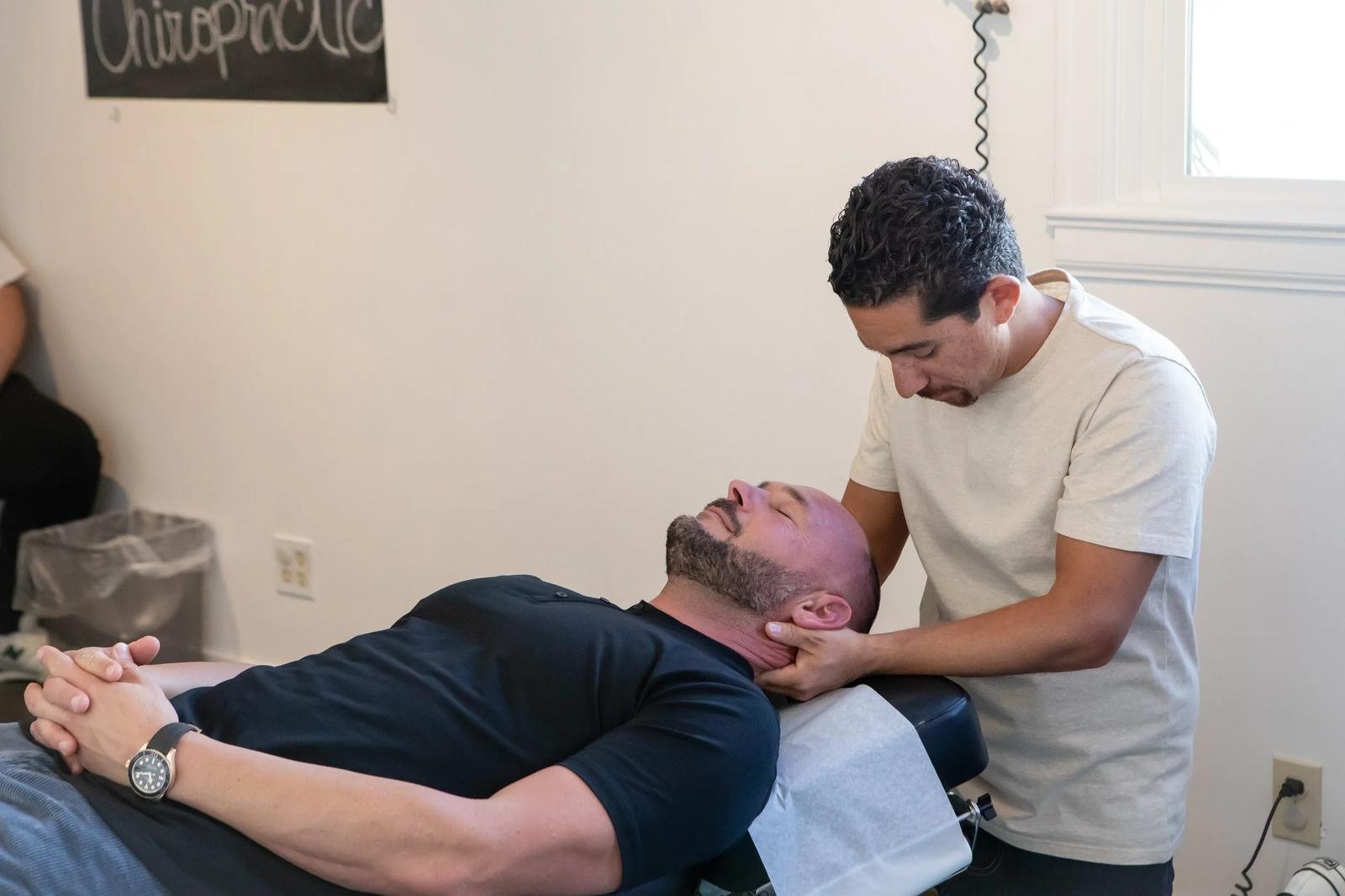
Chiropractic care works at the intersection of structure and function. When the spine is misaligned — what we call subluxation — it creates interference in the nervous system. That interference can amplify the effects of stress, making it harder for your body to shift out of sympathetic dominance and into parasympathetic recovery.
By correcting subluxation through gentle, specific adjustments, we remove that interference and support your nervous system's ability to self-regulate. This is not about "curing" stress. It's about restoring your body's capacity to handle it — to process it, recover from it, and maintain balance even when life is demanding.
Dr. Chris and Dr. Adana use INSiGHT neurological scans to identify exactly where stress is showing up in your nervous system. Heart Rate Variability (HRV) is particularly valuable here — it measures your nervous system's adaptability and gives us a clear, objective picture of how well your body is managing stress.
What Nervous System-Focused Wellness Looks Like
Care for stress-related nervous system dysfunction typically begins with a comprehensive neurological assessment. Your INSiGHT scans reveal the patterns of tension, imbalance, and autonomic dysfunction that are driving your symptoms.
From there, we create a care plan focused on progressively restoring balance. Early in care, adjustments focus on clearing the most significant areas of interference. As your nervous system begins to regulate, you'll notice changes — better sleep, less tension, more energy, an improved ability to handle daily stressors without your body breaking down.
Over time, care shifts from correction to wellness. Regular adjustments maintain the neurological balance you've built and help your body stay resilient as new stressors arise. This is how adult chiropractic care moves from reactive to proactive.
Beyond Pain — Building Lasting Wellness
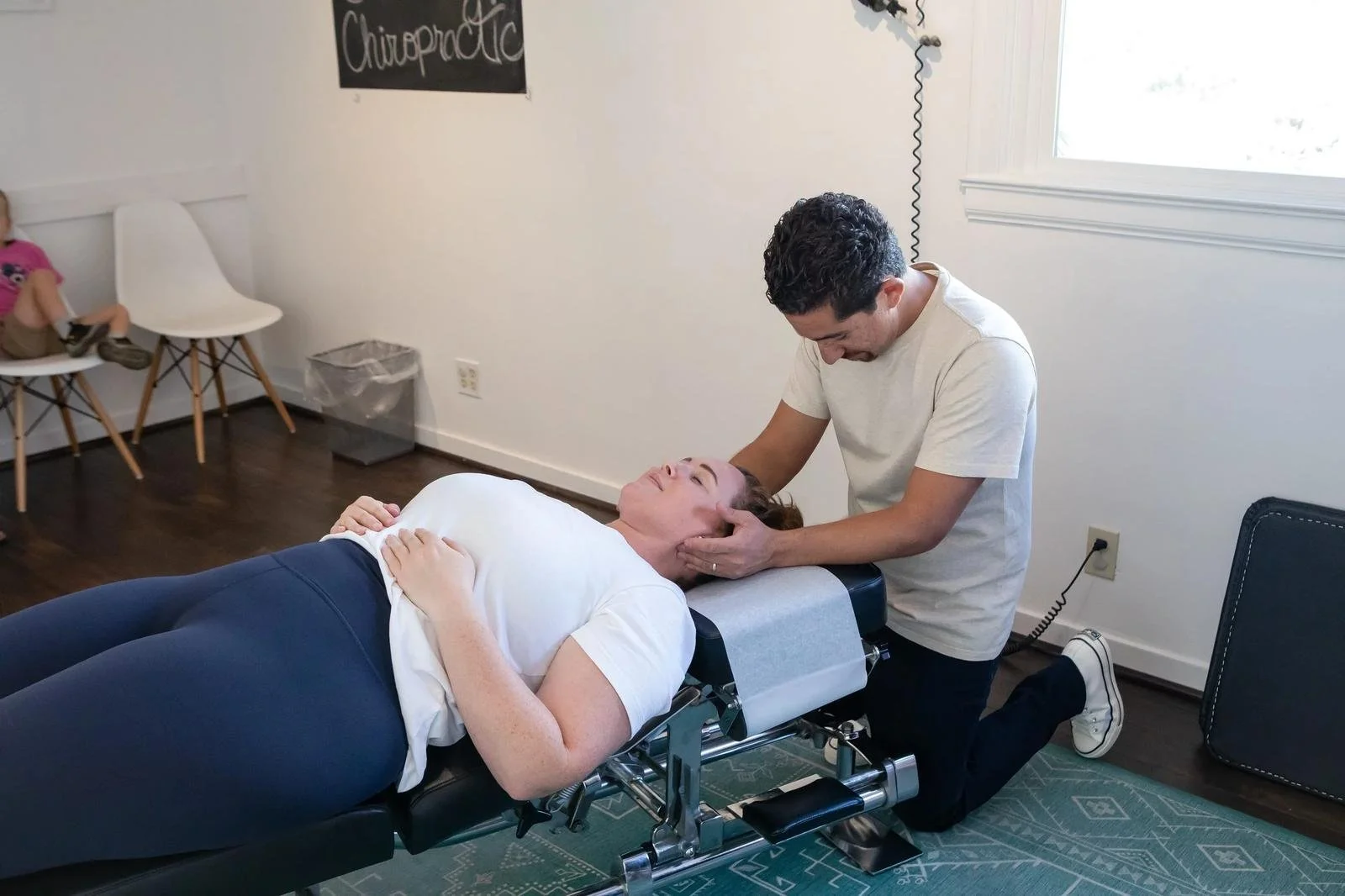
Many of our adult patients initially come in for pain. But once the pain resolves and they see what their nervous system is capable of when it's functioning well, they choose to continue with wellness care — not because something hurts, but because they want to keep feeling this way.
That shift — from crisis management to intentional wellness — is one of the most rewarding outcomes of the work we do.
Frequently Asked Questions
-
Yes. Chiropractic care addresses the neurological patterns that chronic stress creates in the body. By correcting spinal misalignment and reducing nervous system interference, adjustments support your body's ability to move out of fight-or-flight and into rest-and-recovery mode.
-
The spinal cord runs through your vertebral column, and spinal nerves branch out between each vertebra to supply every organ, muscle, and tissue in your body. When vertebrae are misaligned, they can interfere with these nerve signals — affecting function throughout the body.
-
The parasympathetic nervous system is responsible for rest, digestion, and healing. Subluxation can inhibit parasympathetic function by keeping the body in a sympathetic-dominant state. Chiropractic adjustments help restore the balance between these two branches.
-
In our office, the foundation is the same — correcting subluxation and optimizing nervous system function. Pain treatment focuses on resolving an active complaint. Wellness care maintains the progress you've achieved and builds long-term neurological resilience.