
Headaches & Migraines — Chiropractic in Pasadena, CA
If you've been living with chronic headaches or migraines, you've probably tried everything. Over-the-counter painkillers. Prescription medication. Cutting out certain foods. Drinking more water. Sleeping more. Sleeping less. And yet — they keep coming back.
That's because most headache treatments focus on the symptom, not the source. At Innate Family Chiropractic, we take a different approach. We look for the neurological and structural cause of your headaches and address it directly — so you can stop managing the cycle and start breaking it.
Types of Headaches and Migraines

Not all headaches are the same, and understanding the type matters for effective care.
Tension headaches are the most common. They produce a dull, band-like pressure around the head and are closely tied to muscle tension in the neck, shoulders, and upper back.
Cervicogenic headaches originate from dysfunction in the cervical spine — the bones, joints, and nerves of the neck. The pain is referred from the neck to the head and often presents on one side.
Migraines are neurological events that can produce intense, throbbing pain — often with sensitivity to light, sound, and movement, and sometimes preceded by visual disturbances called aura. Migraines have a strong nervous system component and are frequently linked to autonomic dysregulation.
All three types share a common thread: the nervous system.
What's Really Causing Your Headaches
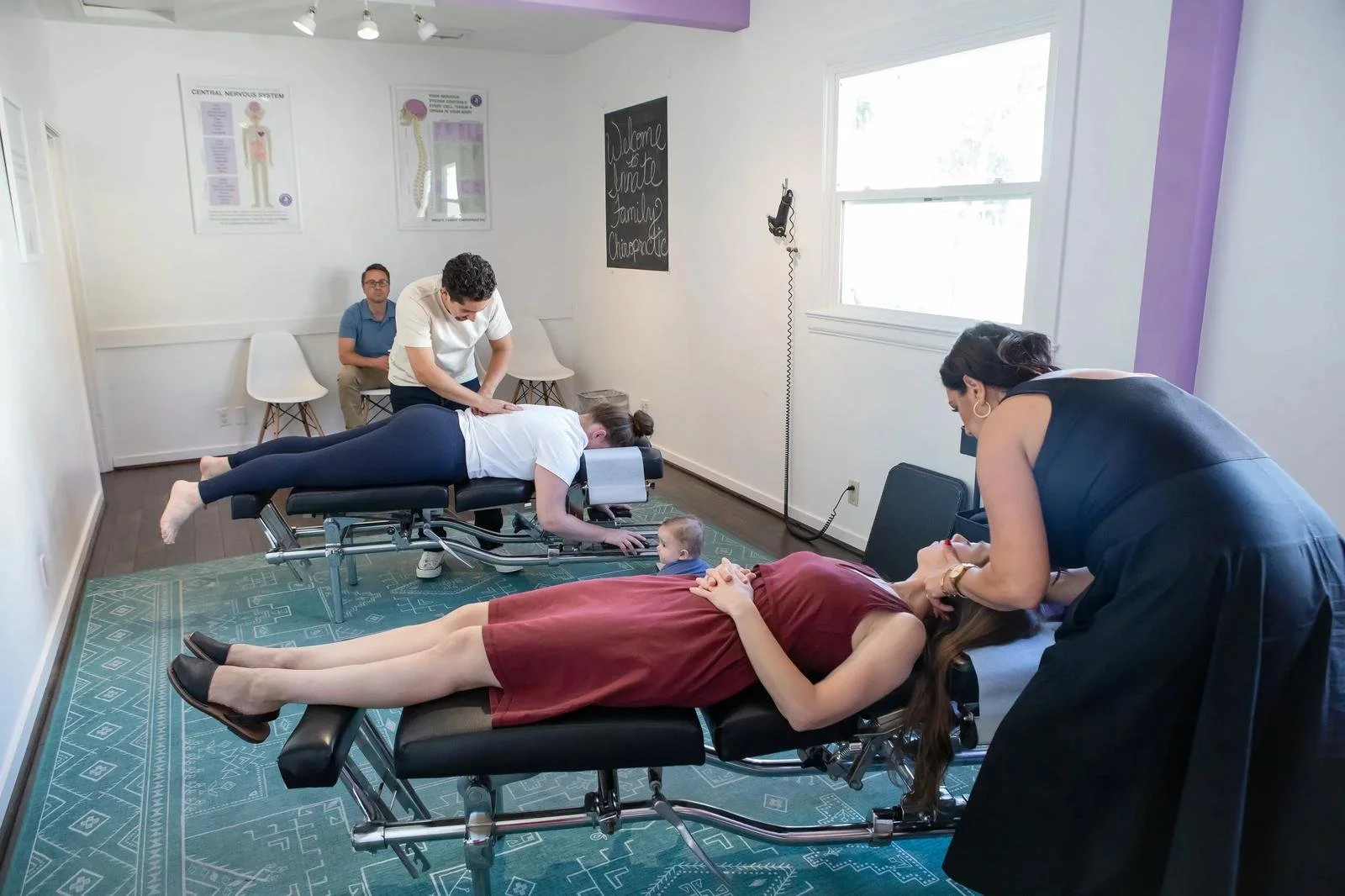
In many cases, chronic headaches and migraines can be traced to misalignment in the upper cervical spine — the top two vertebrae in your neck. This area is densely packed with nerves, blood vessels, and neurological structures that directly influence head and brain function.
When the upper cervical spine is subluxated, it can create nerve irritation that refers pain to the head, muscle tension that tightens the neck, shoulders, and base of the skull, reduced blood flow to the brain, and autonomic nervous system dysregulation that lowers your headache threshold.
Chronic stress amplifies all of these factors. If your nervous system is stuck in sympathetic overdrive, your body is more reactive, less resilient, and more prone to headache episodes.
How Chiropractic Addresses the Source
At Innate Family Chiropractic, Dr. Chris and Dr. Adana begin with a comprehensive neurological assessment, including INSiGHT scanning, to identify where nervous system interference exists — particularly in the upper cervical region.
Adjustments are gentle, precise, and targeted to the specific areas of subluxation contributing to your headaches. We don't pop every joint in your spine and hope for the best. We identify the critical misalignments, correct them with specificity, and allow your nervous system to begin healing.
Many patients notice a reduction in headache frequency and intensity within the first few weeks of care. As the nervous system stabilizes and upper cervical alignment holds, the improvements become more consistent and lasting.
What to Expect
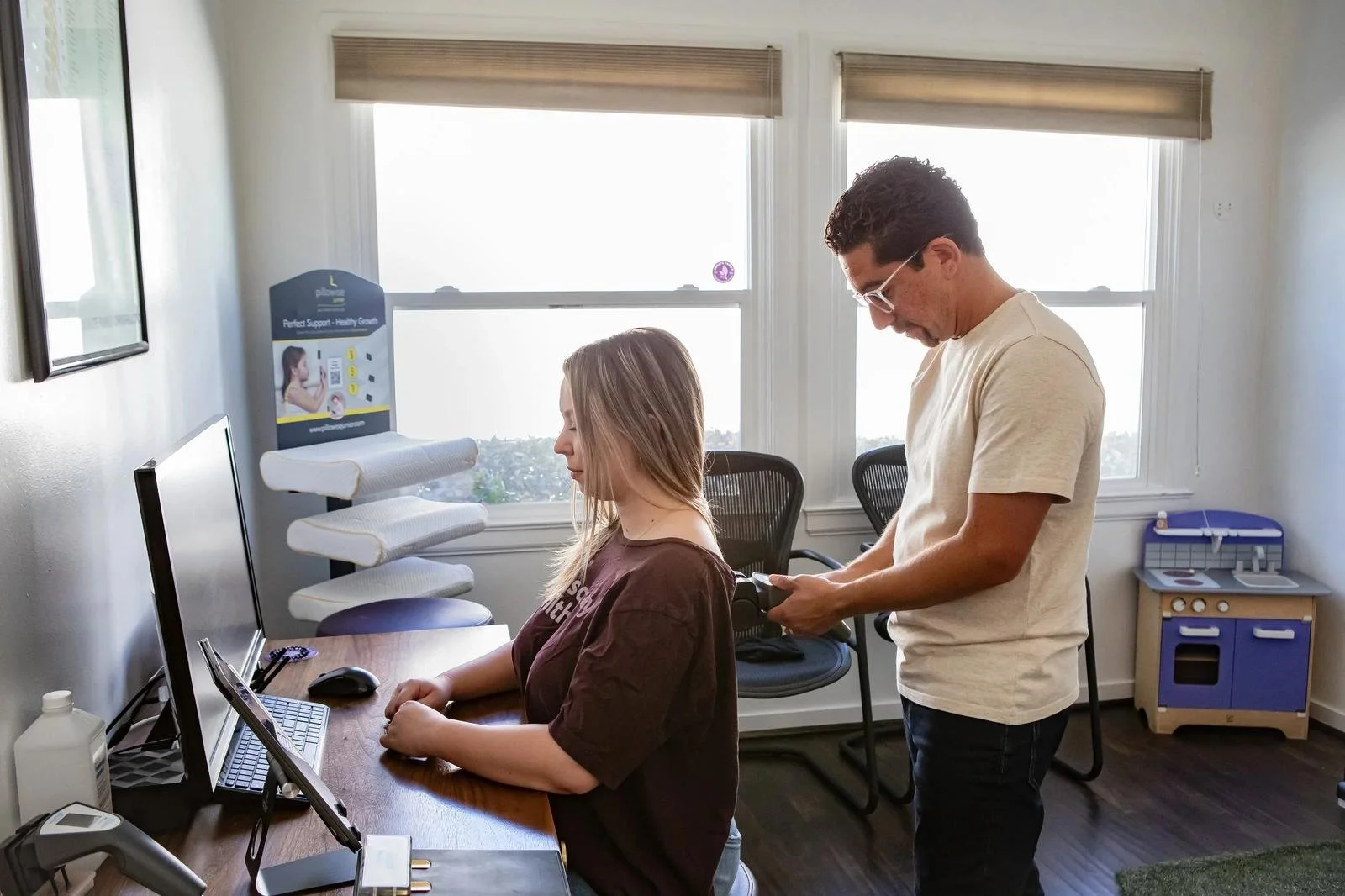
Your first visit includes a detailed consultation about your headache history, potential triggers, and neurological assessment. If neck pain is part of the picture — which it often is — we'll address that as part of a comprehensive care plan. Headache care is one part of our broader family chiropractic care — the same nervous system approach we use for adults, kids, and pregnant moms across every condition we treat.
Most headache patients begin with a more frequent adjustment schedule that tapers as the spine stabilizes and symptoms improve. Progress is tracked objectively through re-scans, so you can see the neurological changes taking place — not just feel them.
Frequently Asked Questions
-
Yes. Migraines have a significant neurological component. By correcting upper cervical misalignment and reducing nervous system interference, chiropractic care can address contributing factors that trigger and sustain migraine patterns.
-
We identify and correct the spinal misalignments — particularly in the upper cervical spine — that create nerve irritation, muscle tension, and autonomic dysfunction. By addressing the structural cause, we help your body break the headache cycle.
-
Many patients notice improvement within the first several visits. The timeline depends on the severity and chronicity of your headaches, the degree of misalignment present, and your body's individual response to care.
-
Tension headaches and cervicogenic headaches often respond very well. Migraines can also improve significantly, particularly when autonomic nervous system regulation improves through consistent care.