
Chiropractic for Breech Positioning in Pasadena, CA
Learning that your baby is in a breech position can feel stressful — especially as your due date approaches. It's natural to want to explore every option for encouraging your baby to turn.
At Innate Family Chiropractic, we work with expecting moms who are concerned about breech presentation by focusing on what we can influence: the alignment and balance of your pelvis. Using the Webster Technique, Dr. Chris and Dr. Adana support your body in creating the space and conditions that allow your baby the best opportunity to find an optimal position on their own.
Understanding Breech Positioning
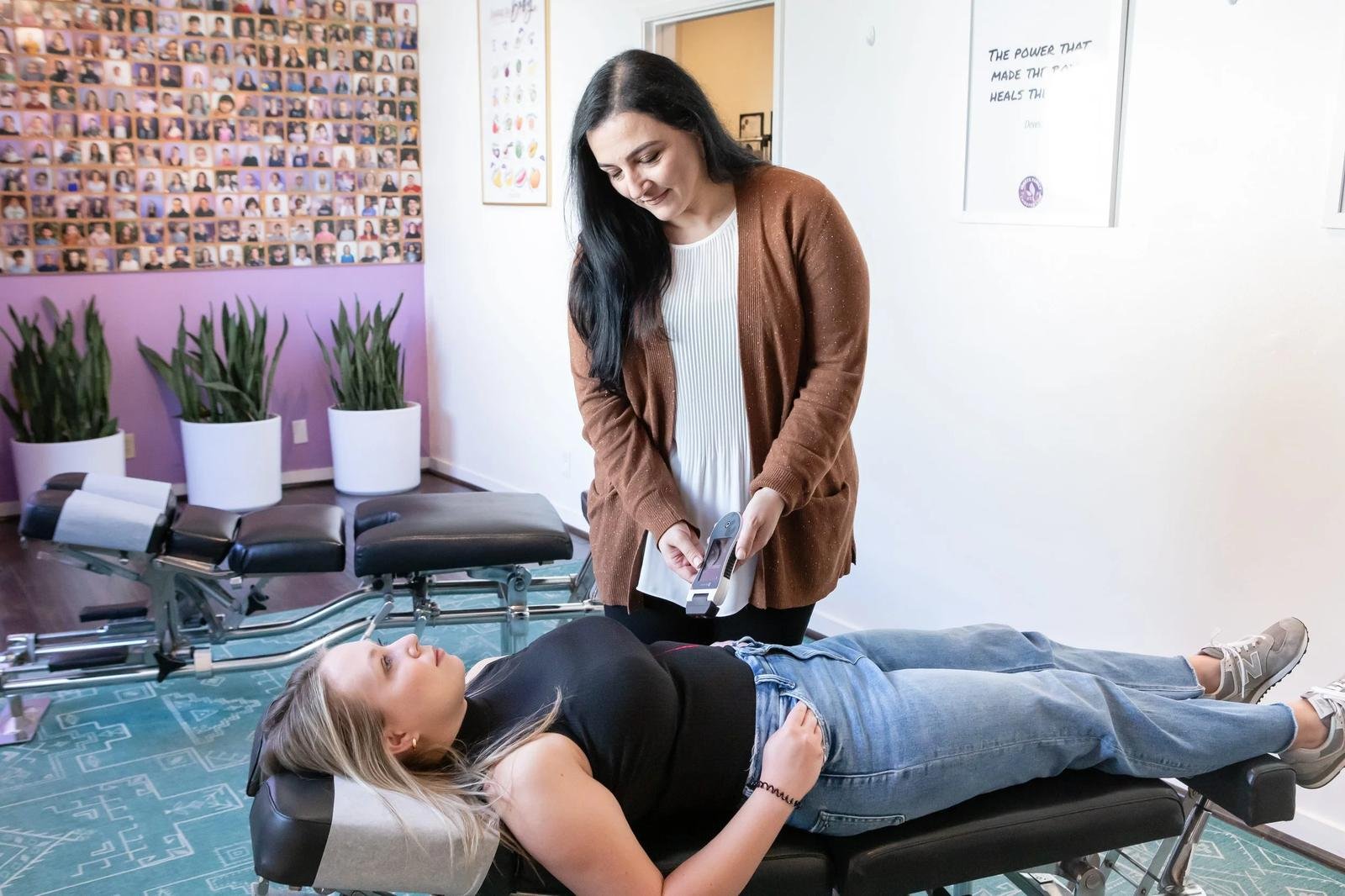
A breech presentation means your baby is positioned with their feet or buttocks toward the birth canal instead of head-down (vertex). There are several types of breech positioning — frank breech, complete breech, and footling breech — and the presentation can change throughout pregnancy.
Breech positioning is relatively common earlier in pregnancy. By 36–37 weeks, most babies have turned head-down. However, some babies remain breech, which can limit delivery options and increase the likelihood of interventions.
What Causes a Baby to Be Breech

There isn't always a single clear cause, but several factors may contribute. These include uterine constraint from pelvic misalignment, imbalanced ligament tension restricting available space, first pregnancies where uterine muscles are tighter, low amniotic fluid levels, and the shape or structure of the uterus.
From a chiropractic perspective, the focus is on what's happening structurally. When the sacrum is misaligned or the round ligaments and uterosacral ligaments are under uneven tension, the uterus may not have the balanced space it needs for baby to move freely.
How Chiropractic Supports Optimal Positioning
The Webster Technique is designed to address exactly this. By correcting sacral misalignment and releasing tension in the surrounding ligaments, the technique restores balance to the pelvis and reduces constraint on the uterus.
It's important to understand: chiropractic does not "turn" a baby. The Webster Technique creates the biomechanical conditions — balanced pelvis, relaxed ligaments, reduced nervous system interference — that give your baby the best opportunity to reposition naturally.
Many of our moms have seen encouraging changes following consistent Webster care, particularly when they begin in the early-to-mid third trimester.
What to Expect When Seeking Care
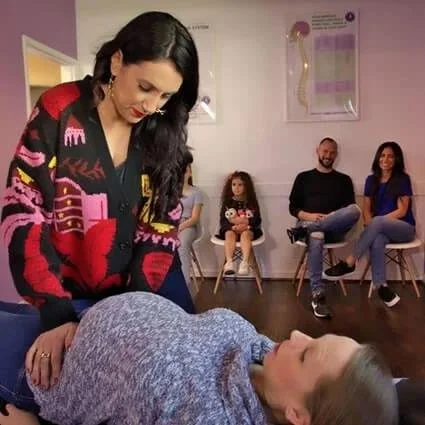
If you're concerned about breech positioning, the ideal time to begin care is as early as possible — though we see moms at all stages. Your first visit includes a comprehensive consultation, neurological assessment, and pelvic evaluation.
Dr. Chris or Dr. Adana will assess your sacral alignment, ligament tension, and overall pelvic balance before recommending a care plan. Webster adjustments are gentle, comfortable, and typically last just a few minutes. Most moms with breech concerns are seen two to three times per week.
We also encourage moms to continue working with their OB or midwife throughout the process. Chiropractic care is a complement to your existing birth team — not a replacement.
Frequently Asked Questions
-
Chiropractors don't manually turn babies. The Webster Technique works by restoring pelvic balance and reducing uterine constraint, which may allow your baby to turn on their own. Many families have reported positive outcomes with this approach.
-
The earlier the better, ideally before 36 weeks. However, we've seen moms benefit from Webster care at all stages. If you've just learned your baby is breech, don't wait — schedule a consultation so we can assess your situation.
-
It addresses the biomechanical factors — sacral misalignment and ligament tension — that may be restricting the space available for your baby to turn. Read more about the Webster Technique →
-
Yes. The Webster Technique is a gentle, low-force approach specifically designed for pregnant women. Both Dr. Chris and Dr. Adana are certified through the ICPA and have extensive experience working with breech presentations.